Find out what’s new
Get the latest in eCommerce straight to your inbox every week.


How MyFBAPrep Processed 2 Million+ Units for Shapermint Driving Their Global Expansion
MyFBAPrep Blog





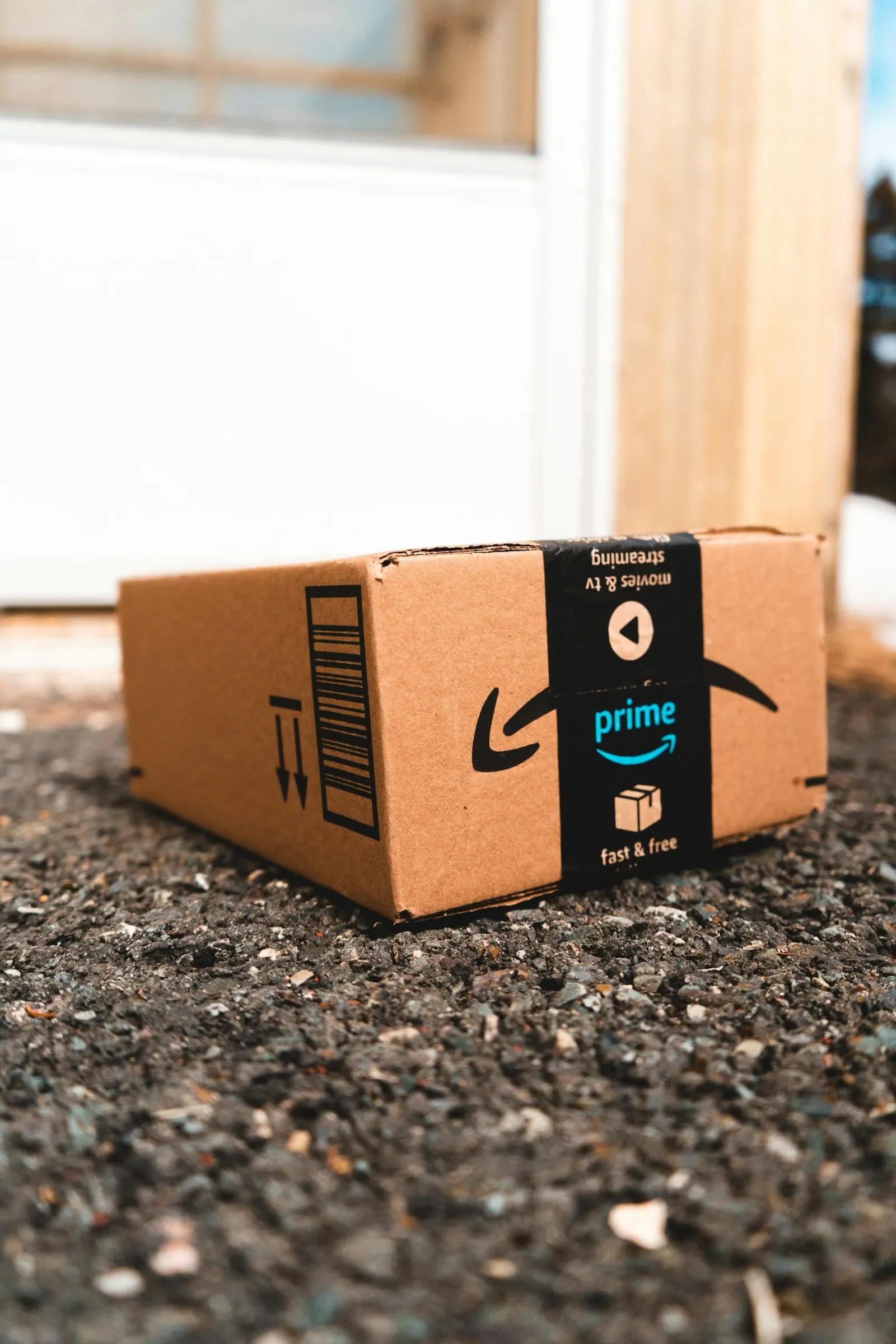 The Truth About Seller Fulfilled Prime: 3PL Challenges and Overcoming Them
Let’s get real: Amazon’s Seller Fulfilled Prime (SFP) isn’t just another shipping program. SFP is a logistics trial by fire. 2-day nationwide delivery required Same-day pick, pack, and ship expectations Strict SLA metrics, order cutoffs, and OTDR protections Only 3 trial attempts per year (starting June 2025) Most 3PLs say they can support SFP, but many don’t have the infrastructure, experience, or compliance controls to back it up. In this article, we’ll go over what exactly SFP is, why it’s so difficult to achieve for many 3PLs, and what it takes to offer Seller Fulfilled Prime well. What Is Seller Fulfilled...
 Advantages of Amazon FBM and Choosing Your Strategy
Fulfilled by Merchant (FBM) means you fulfill Amazon orders yourself—or through a partner—rather than using Amazon’s FBA (Fulfilled by Amazon) program. You store the inventory. You ship the orders. You handle the experience. And you keep the control—and often, more margin. For years, FBM was seen as the “backup plan” to FBA. But that narrative is changing—fast. Smart brands are using FBM to unlock speed, profit, and operational flexibility that Amazon simply can’t offer. The Big Advantages of FBM (That Most Sellers Ignore) Here’s what brands are waking up to: 1. Lower Fulfillment Fees = Higher Margins FBA fees keep climbing—storage, removals,...
 Going Global: How to Expand into International Markets and Manage Cross-Border Fulfillment
Nothing says business growth quite like going global. Focusing on your local market can still lead to success, but expanding into other countries demonstrates that your business has achieved more than you originally set out to do. It means there’s real demand for what you offer, and people from different parts of the world are taking notice.It’s a big move, no doubt! And it can come with its fair share of challenges. But with the right tools, systems, platforms, and partners in place, going global doesn’t have to be overwhelming. It can be a smooth and strategic step toward even greater...
 Customs Brokerage vs. Freight Forwarder: What’s the Difference and When to Use Each
If you’re importing products for Amazon FBA or DTC fulfillment, you’ll encounter two key logistics partners: freight forwarders and customs brokers. While they both play essential roles in getting your goods across borders, their functions are distinctly different. Confusing the two—or working without one—can lead to customs delays, compliance issues, and unexpected costs. In this guide, we’ll break down what each party does, when you need them, and how they work together to keep your supply chain running smoothly. What Is a Freight Forwarder? A freight forwarder is a logistics partner that manages the end-to-end transportation of your goods across international...
 ESG Compliance in Supply Chain: How 3PLs Are Helping Brands Meet Sustainability Goals
Today, sustainability is less a trend and more a necessity. Customers, investors, and employees expect brands to operate responsibly and minimize their environmental impact. From reducing carbon footprint to adopting greener practices, sustainability has become a core part of how companies thrive in the modern world. But integrating these initiatives into every aspect of a business isn’t easy. How do you reduce emissions while meeting tight delivery deadlines? How can you adopt eco-friendly materials without driving up costs? This is where third-party logistics providers (3PLs) can lend a hand. These services possess expertise in fulfillment solutions and can optimize efficiency while...
 Scaling Across Markets: How Multi-channel Brands Leverage Logistics
Online transactions make up 20% of retail sales. Even with the eCommerce boom though, physical store sales are still on the rise. This perfectly showcases how diverse shopping habits are. Some customers love the convenience of online shopping, while others enjoy the in-store experience. One thing is clear though: Customers expect seamless shopping no matter which portal they use. This demand pushes businesses to embrace multi-channel strategies to scale and stay competitive. However, establishing various sales channels is only half the equation. Businesses need a solid multi-channel logistics strategy to thrive. So, we’ll explore multi-channel logistics and offer tried-and-tested tips for...
 Duties, Tariffs, and Customs Clearance Demystified
Cross-border eCommerce is a billion-dollar playground, but it’s littered with regulatory landmines. Duties, tariffs, and customs clearance can chew through your margins, delay your inventory, and wreck your customer experience if you’re not dialed in. Whether you’re importing goods into the U.S. or shipping international orders via Amazon FBA or other channels, you need to know how the game is played. Let’s break down what these terms mean, how they hit your business, and how to navigate this maze without getting slaughtered on cost or speed. Duties vs. Tariffs Duties and tariffs both mean taxes governments slap on imports. They protect...
 FDA Customs Clearance for Supplements
If you’re shipping dietary supplements into the U.S., you’re not just clearing “customs.” You’re stepping into the FDA’s regulatory minefield, and it can blow up your entire supply chain if you’re not prepared. Whether you’re an Amazon FBA seller scaling fast, or running your own DTC brand, one misstep with FDA import rules can mean delays, refused entries, or the literal destruction of your goods on arrival. Here’s how to avoid customs nightmares, inventory seizures, and five-figure fines on your next import to keep your inventory flowing. What Exactly Counts as a Supplement? The FDA’s definition is broad. If your product...
 Importing Goods to the USA: The Customs Process Explained
If you’re sourcing products overseas and selling in the U.S.—whether through Amazon FBA, Walmart, Shopify, or your own warehouse—you’ll need to navigate the U.S. import and customs process. Getting this process right matters, because it ensures your goods are legally allowed into the country, properly declared, and compliant with all regulations. In this guide, we’ll explain the U.S. customs process in plain terms, highlight what ecommerce sellers need to watch out for, and show you how MyFBAPrep can make importing simpler and faster. Step-by-Step Guide to Importing Goods to the USA Step 1: Understand Your Role as the Importer of Record...
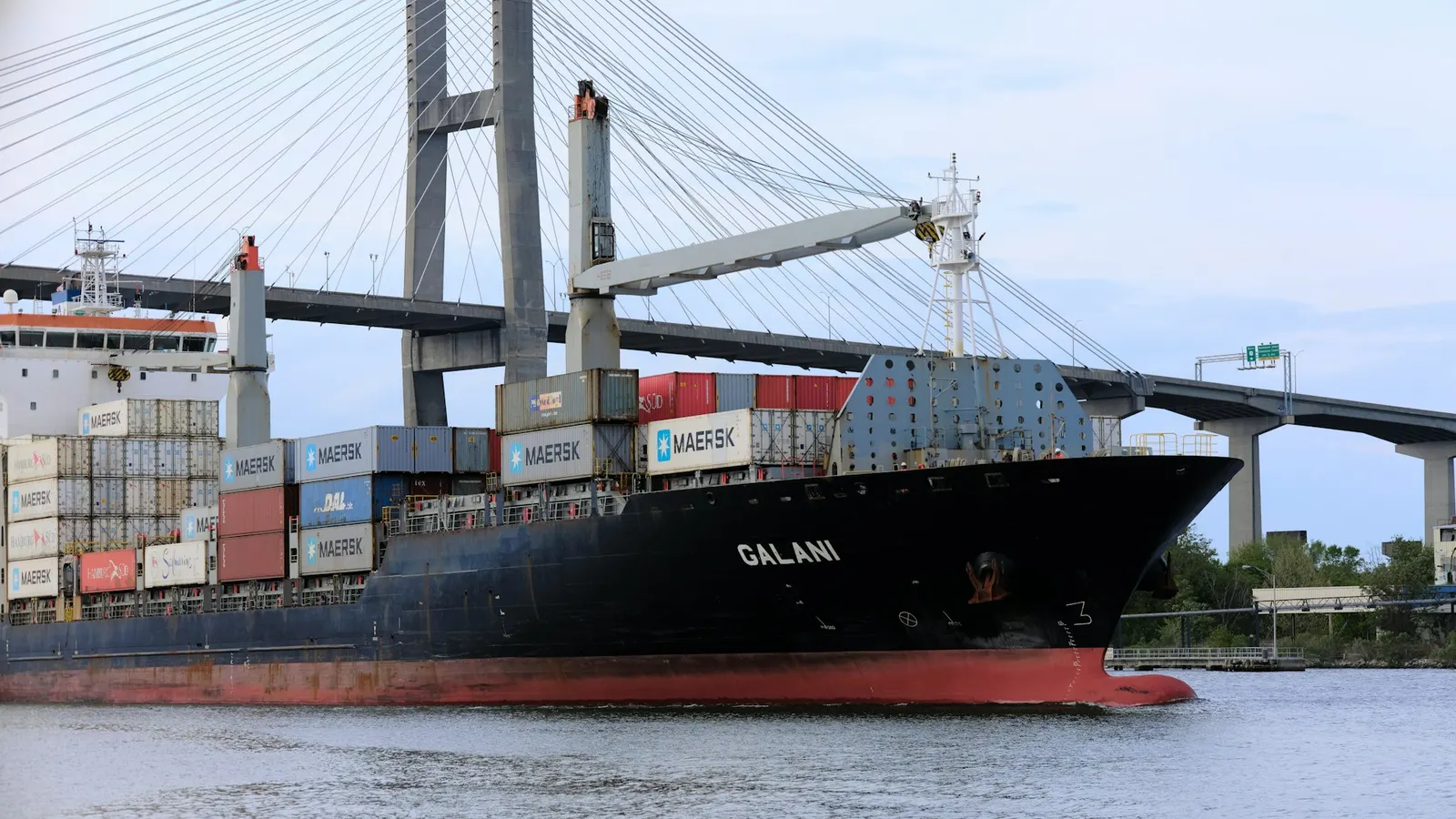 What is customs clearance and how does it work?
Customs clearance is the choke point that decides whether your inventory keeps flowing—or bleeds cash on a dock. Nail it, and you widen the moat between you and every spreadsheet cowboy who thought logistics was just “shipping.” Miss, and you’re burning ad spend on out-of-stock SKUs while your competitors feast. In this article, we share our no-BS playbook for moving product across borders at the speed of click-to-cart. Read on for our take on customs clearance, de-risked and dialed-in. What We Mean by “Customs Clearance” It’s the government’s formal green-light for your freight to cross a border. Officers review documents, calculate...
 Unlocking the Amazon PPC Flywheel: How Smarter Ad Spend and Scalable Logistics Fuel Profitable Growth
Amazon PPC can be your brand’s biggest growth lever, or its biggest money pit. Most sellers pour thousands into ads without understanding where that spend is going or why it underperforms. But there’s a better way that drives immediate returns and builds long-term visibility, profitability, and operational strength. Here’s what you’ll learn in this guide: Why “Top of Search” (TOS) is the most powerful yet underutilized ad placement—and how reallocating budget here can slash your ACOS and skyrocket your conversions. How to analyze your placement performance data to uncover hidden inefficiencies in your current campaigns. How to use PPC profits to...
 eCommerce IP: Brands, Trademarks, Seller Rights, and What’s Really Allowed Online
This is an article from AMZ Sellers Attorney®, an eCommerce appeal service managed by an intellectual property attorney and a registered patent attorney. They provide free consultations on all IP and eCommerce-related issues. If you sell on Amazon, Walmart, Etsy, Shopify, or any other online marketplace, you’re living inside an intellectual property (IP) system—whether you like it or not. You feel it when: A brand files a bogus “counterfeit” complaint even though you bought genuine goods. A designer claims you stole their image or slogan. A marketplace pulls your listing for “trademark infringement” and you’re not even sure what you did...
Subscribe to our newsletter
Join 5,000+ sellers that get the industry’s top tips.