Find out what’s new
Get the latest in eCommerce straight to your inbox every week.

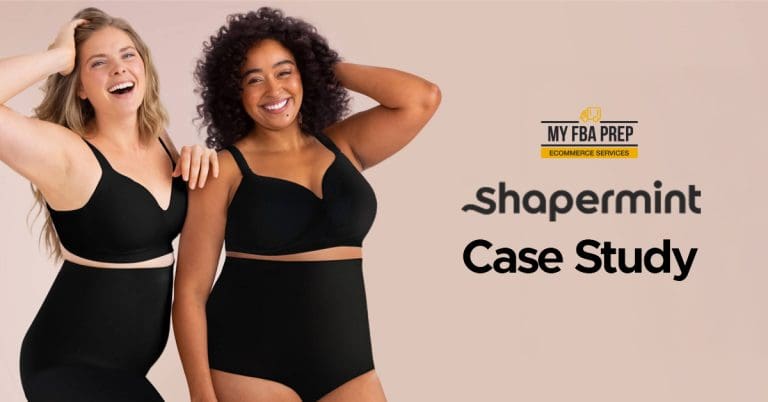
How MyFBAPrep Processed 2 Million+ Units for Shapermint Driving Their Global Expansion
MyFBAPrep Blog





 How to use fulfillment as a competitive advantage
This is a guest post from the Pattern team. Pattern helps brands grow on global marketplaces, with marketplace advertising, social commerce, content optimization, logistics, and more. Most brands spend a lot of time deciding what to sell. Far fewer invest the same energy in how they will get it to customers: fast, consistent, and without lighting margin on fire. Here’s the uncomfortable truth: in modern eCommerce, the brands that win are world-class at two things: Selling Doing the work These two aren’t disconnected, and neither is more important. One is simply easier to glamorize in a pitch deck. Operational excellence, especially...
 Machine-Grade Efficiency: How Specialized FBA Prep Equipment Supercharges Your Amazon Ops
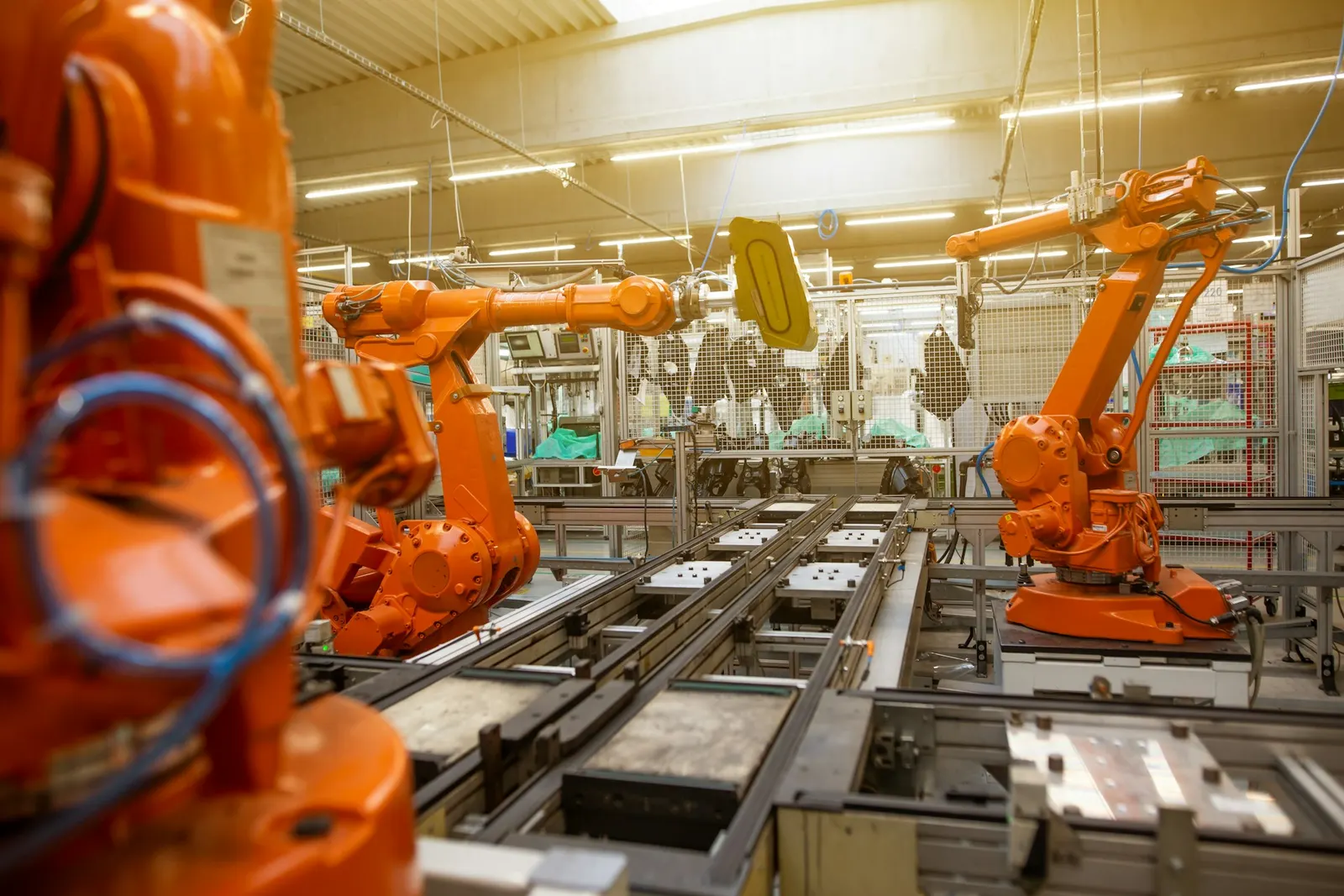
Scaling an Amazon business today requires more than hustle. When you’re moving tens or hundreds of thousands of units per month, manual labor becomes a bottleneck—slow, error-prone, and expensive. Specialized FBA prep machinery changes the game. Whether you’re polybagging 30,000 SKUs a week or bundling subscription products, automation ensures consistency, speed, and compliance across every shipment. What Is Specialized FBA Prep Machinery? Think automated: Labeling machines – Apply thousands of FNSKU labels per hour with pixel-perfect accuracy. Shrink wrap tunnels – Secure and seal bundles instantly. Case packers and sealers – Optimize carton prep and sealing for LTL and FTL. Inline...
 Boxed for Scale: Why Wholesale Prep & Case Packing Can Make or Break Your Retail Growth
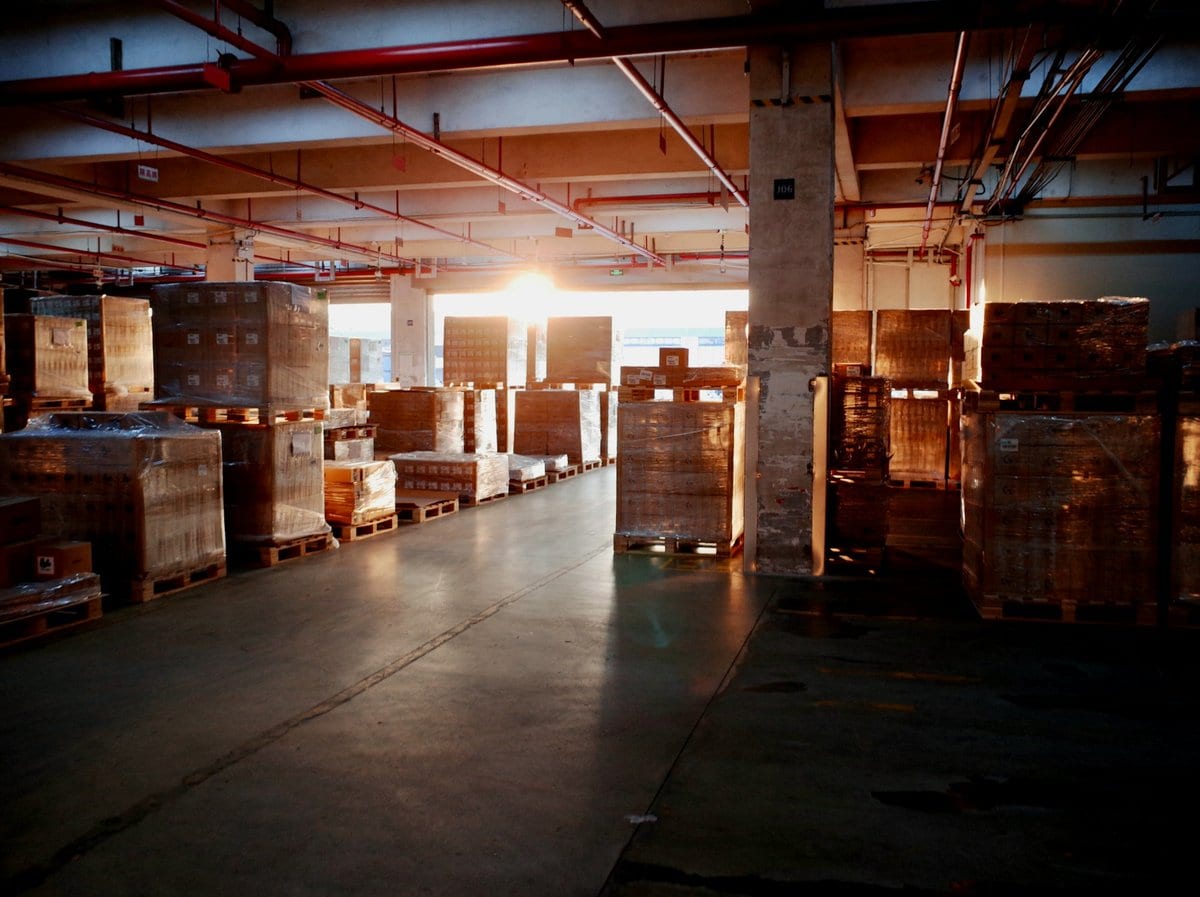
In the fast-moving world of eCommerce and retail distribution, scaling up isn’t just about selling more—it’s about packing smarter. If you’re shipping pallets to Amazon, fulfilling PO-based retail orders, or feeding wholesale channels like Walmart or Target, your backend ops need to be bulletproof. And that starts with wholesale prep and case packing done right. Why It Matters Retailers and marketplaces don’t mess around with compliance: Wrong barcodes? Chargebacks. Overweight cartons? Rejected shipments. No carton-level labeling? Delayed replenishment. Wholesale prep and case packing aren’t just nice-to-haves—they’re the difference between flowing into retail channels like a pro or getting bottlenecked at the...
 Unbox Loyalty: How Subscription Fulfillment Builds Brand Superfans
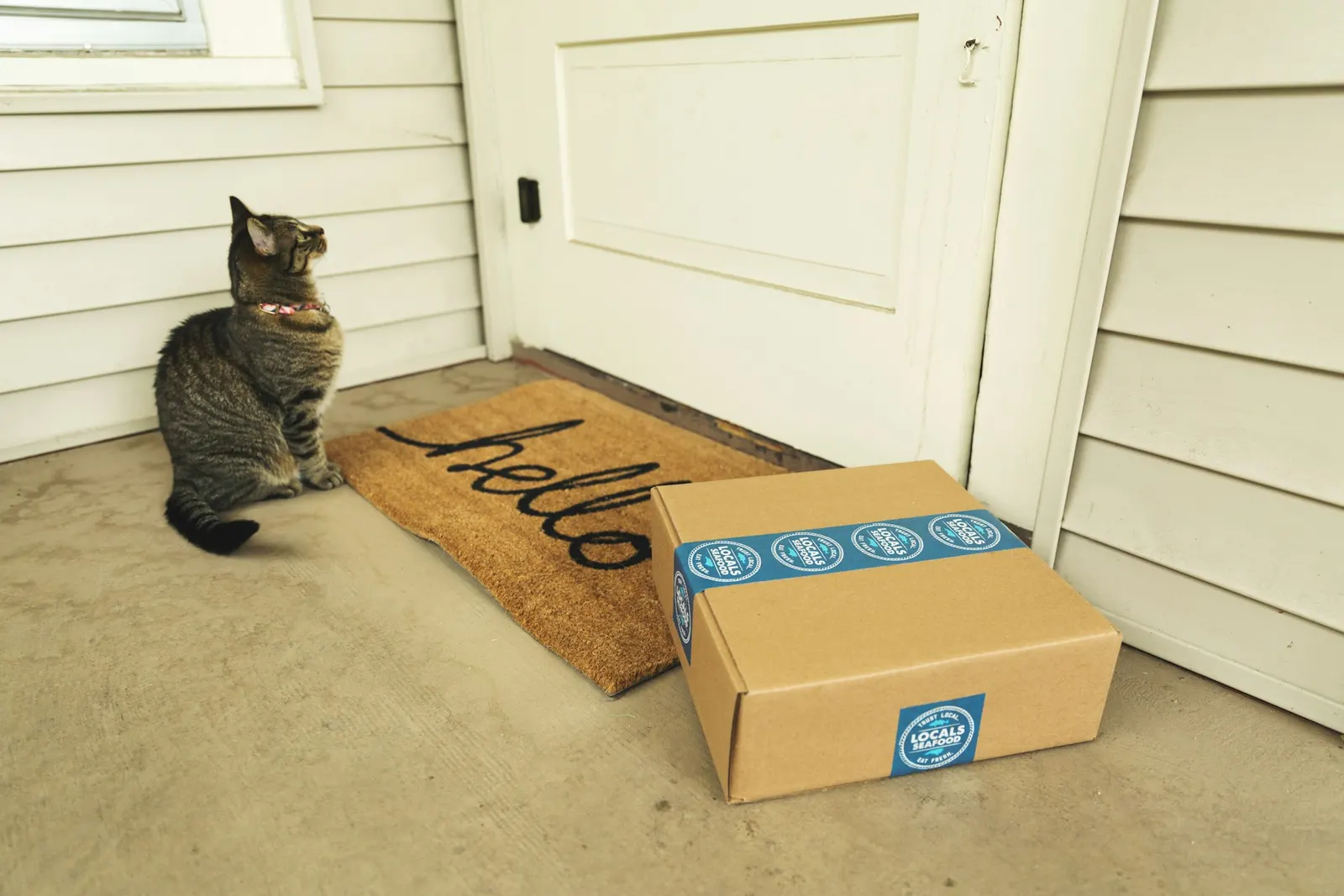
In the DTC world, loyalty isn’t bought — it’s unboxed. That moment of truth when your customer receives their subscription box is either the start of a lifelong relationship… or the beginning of churn. The difference? Fulfillment that delivers more than just products — it delivers experience, emotion, and expectation. Welcome to the new frontier of eCommerce loyalty: subscription fulfillment done right. Why Subscription Fulfillment Is More Than Shipping You’re not just shipping stuff. You’re curating a physical brand experience. Every box is a chance to: Reinforce your brand story Create a premium unboxing ritual Boost retention and reorder rates Turn...
 Traceable by Design: How Lot Tracking Protects Your Brand Reputation
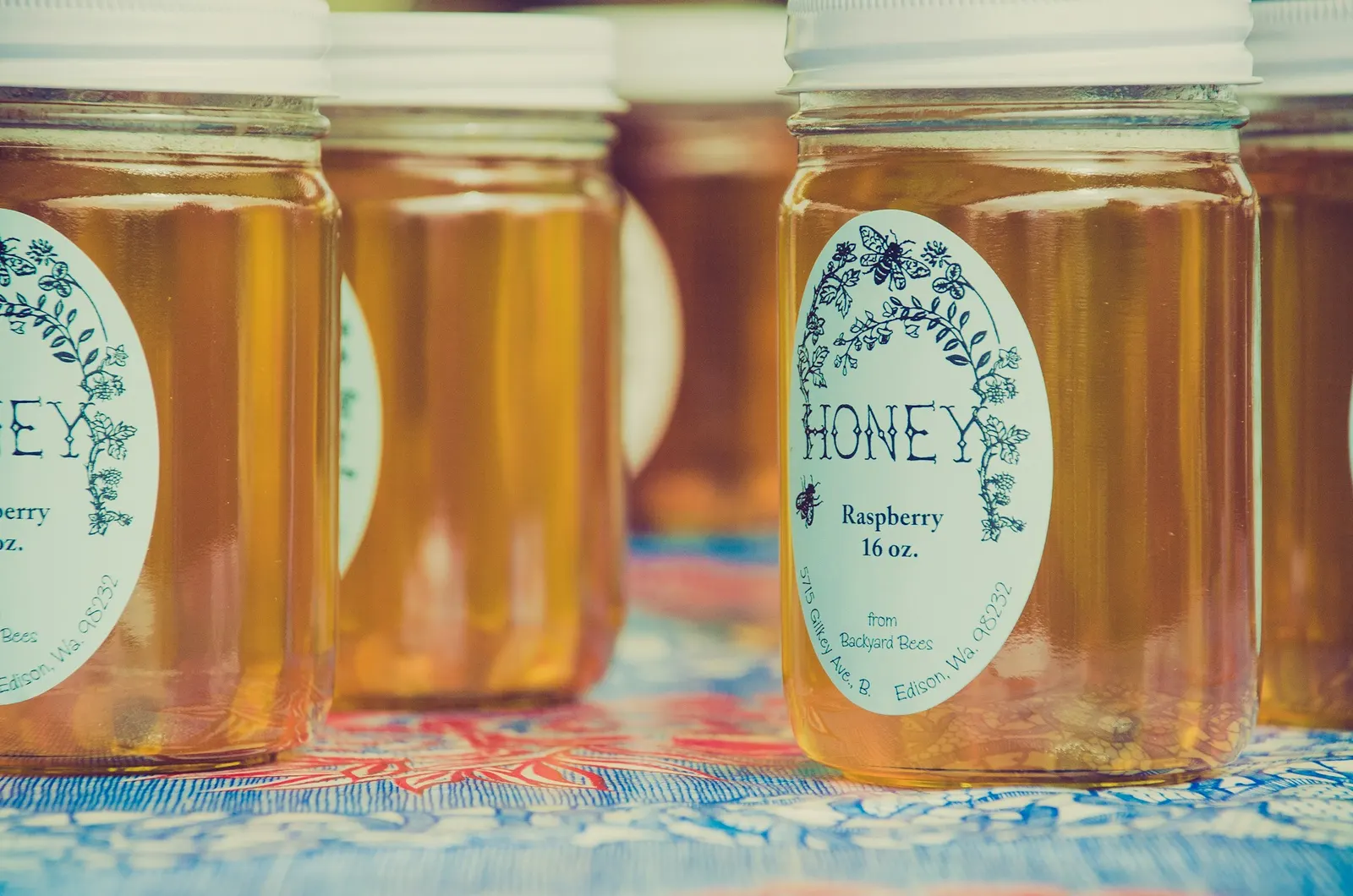
In regulated categories, compliance isn’t optional—it’s a brand reputation safeguard, a gatekeeper to retail shelves, and a must-have for scaling operations. Expiration and lot tracking are at the heart of that equation. If you’re not building traceability into your logistics strategy, you’re gambling with risk, shelf life, and customer trust. At MyFBAPrep, we treat lot-level compliance as a growth enabler—not just a regulatory checkbox. Why Lot Tracking Matters More Than Ever From Amazon policy updates to retailer mandates and FDA enforcement trends, the compliance bar is rising. And it’s not just for pharma or perishables. If you’re in health & wellness,...
 Reclaim Your Revenue: Rework & Relabel Strategies That Save the Sale
When eCommerce moves fast, mistakes happen. Labels misprint. Packaging fails. Products get returned. But that doesn’t mean you have to write off your inventory. With a strategic rework, inspection, and relabeling operation, brands can recover revenue, reduce waste, and keep inventory moving. Why Rework Isn’t Just Damage Control — It’s a Growth Lever Brands that win don’t just prep. They re-prep — with precision. Rework and relabeling can help you: Salvage Amazon FBA removals and returns Get products back to resale-ready condition Meet changing retailer compliance standards Avoid costly disposal or liquidation Extend shelf life on expiration-sensitive goods Instead of taking...
 How to Turn Amazon Returns Into Revenue: A Guide to Amazon Returns Processing for FBA, FBM, and DTC Sellers
Returns are inevitable. Revenue loss doesn’t have to be. For every eCommerce brand, returns create a fork in the road: write-off the inventory and eat the margin loss—or recover and rework it into sellable stock. If you’re selling through Amazon FBA, FBM, or DTC, the difference between bleeding revenue and reclaiming profit is your returns processing strategy. Why Returns Management is a Revenue Lever Most sellers treat returns like operational drag. Smart sellers treat them like an opportunity for recovery. With proper workflows, you can: Restock Grade A items into Amazon Re-prep and relabel Grade B units for DTC or FBM...
 What To Do With Amazon FBA Removals: Re-Prep, Resell, or Recover?
If you’re like most sellers, you’ve seen it: Amazon returns piling up. Unsellable units clogging storage. Inventory stranded after policy changes. That’s where FBA removal and re-prep services come in. Whether you’re dealing with Grade A returns, damaged packaging, or FBA stranded inventory, here’s how to turn that warehouse headache back into revenue. What Is FBA Removal & Re-Prep? Amazon FBA removal refers to pulling your inventory out of Amazon’s fulfillment centers—usually because it’s been returned, aging, stranded, or noncompliant. Re-prep is the process of: Inspecting each unit Sorting by condition (Grade A, B, or C) Repackaging, relabeling, or re-kitting Reshipping...
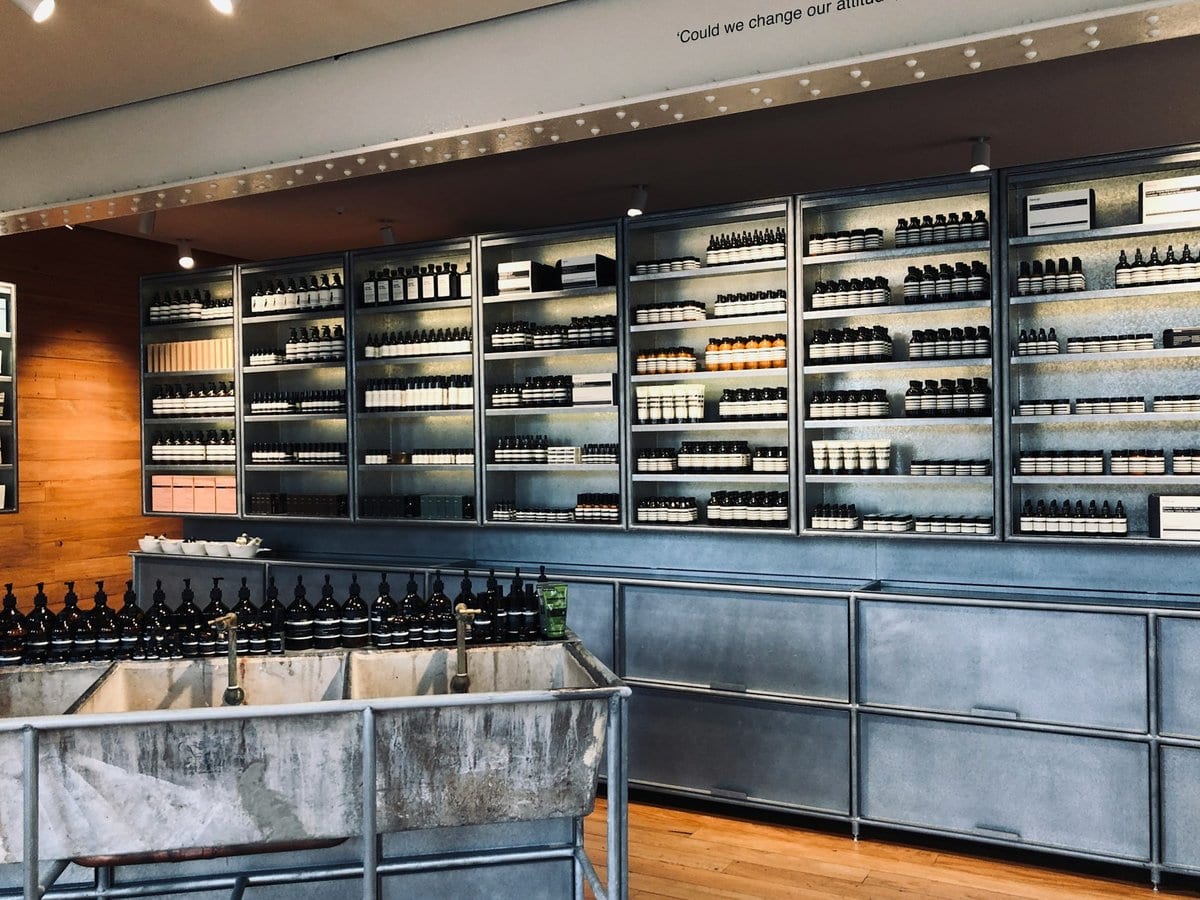 How to Optimize Retail Fulfillment (Without Building Your Own Warehouse)
When you’re scaling a brand into retail shelves or wholesale accounts, the fulfillment game changes dramatically. Direct-to-consumer (DTC) fulfillment is one thing — but B2B and retail requires precision, compliance, and experience. It’s not just about getting boxes out the door. It’s about meeting big-box routing guides, mastering ASN workflows, and shipping in a way that retailers trust. The B2B Shift: From Cart to Pallet Selling into Target, Walmart, Whole Foods, or even smaller independent stores isn’t as simple as printing a label and shipping. Retail fulfillment introduces new layers: Case packing requirements Retail-compliant palletization Advanced Shipping Notifications (ASNs) Delivery appointment...
 What Is DTC Fulfillment? How Modern Brands Scale with Direct-to-Consumer Logistics
Direct-to-consumer (DTC) fulfillment has become the backbone of every digitally native brand that wants to control the customer experience, scale without borders, and compete with Amazon’s shipping speed. But as demand surges, fulfillment complexity increases—and not every 3PL is built for the expectations of DTC buyers. In this post, we’ll break down what DTC fulfillment is, why it matters, and what brands should look for when choosing a 3PL to power their operations. What Is DTC Fulfillment? DTC fulfillment is the logistics process of storing, picking, packing, and shipping goods directly to the end consumer—without relying on retailers or third-party distributors....
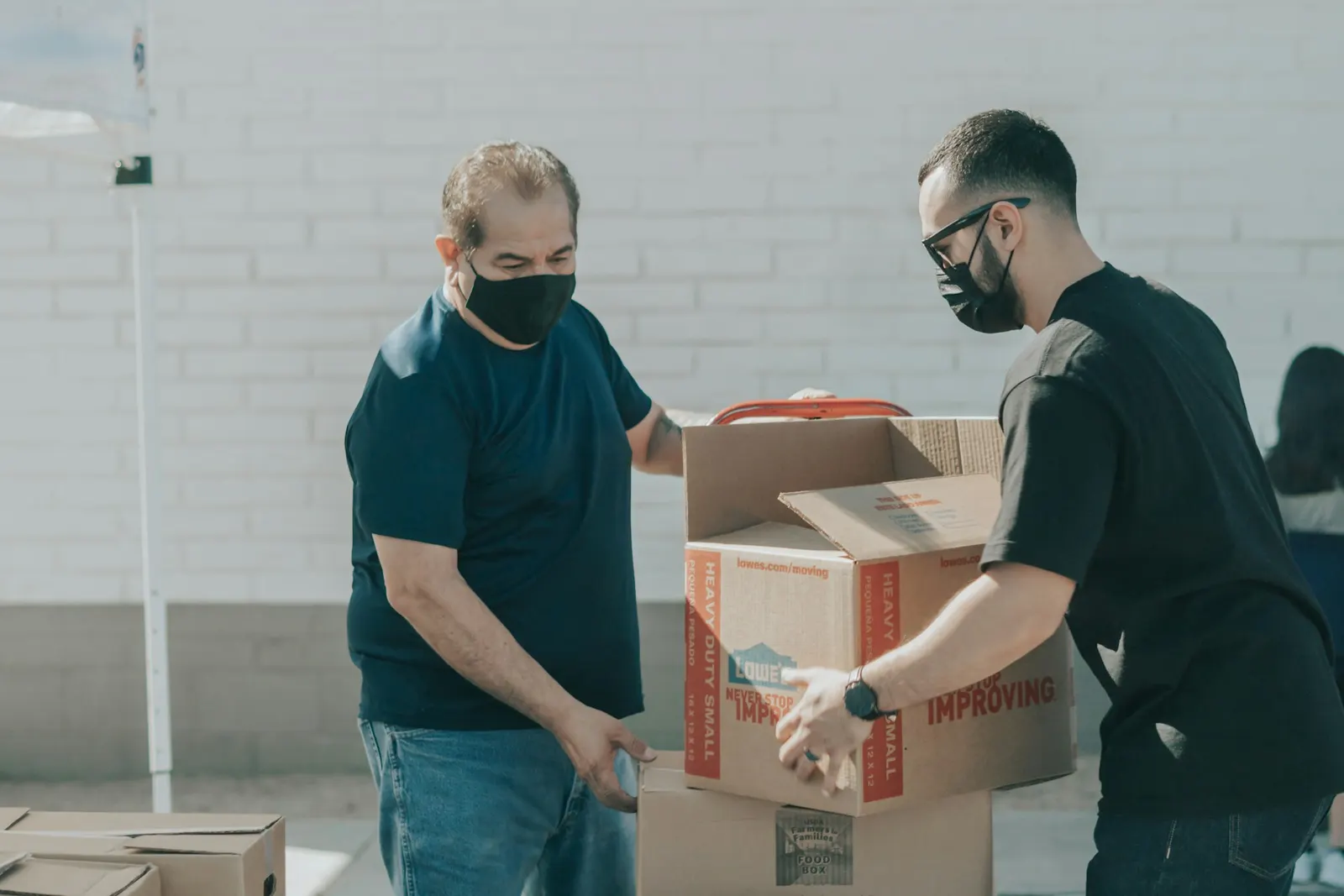 What Is Co-Packing? How Brands Use 3PL Co-Packing Services To Scale DTC and Amazon Sales
Co-packing (short for contract packaging) is the process of outsourcing your product packaging to a third party — typically a 3PL partner like MyFBAPrep. It includes everything from: Bundling multiple SKUs into a single sellable unit Applying FNSKU or UPC labels Adding marketing inserts Assembling kits or multi-packs Prepping temperature-sensitive goods for cold chain delivery Wrapping, boxing, bagging, or palletizing for Amazon or DTC Whether you’re scaling up or launching a new SKU, co-packing frees your team from labor-intensive manual work while ensuring compliance with Amazon’s ever-changing rules. Co-Packing vs. Kitting: What’s the Difference? Many brands use the terms co-packing and...
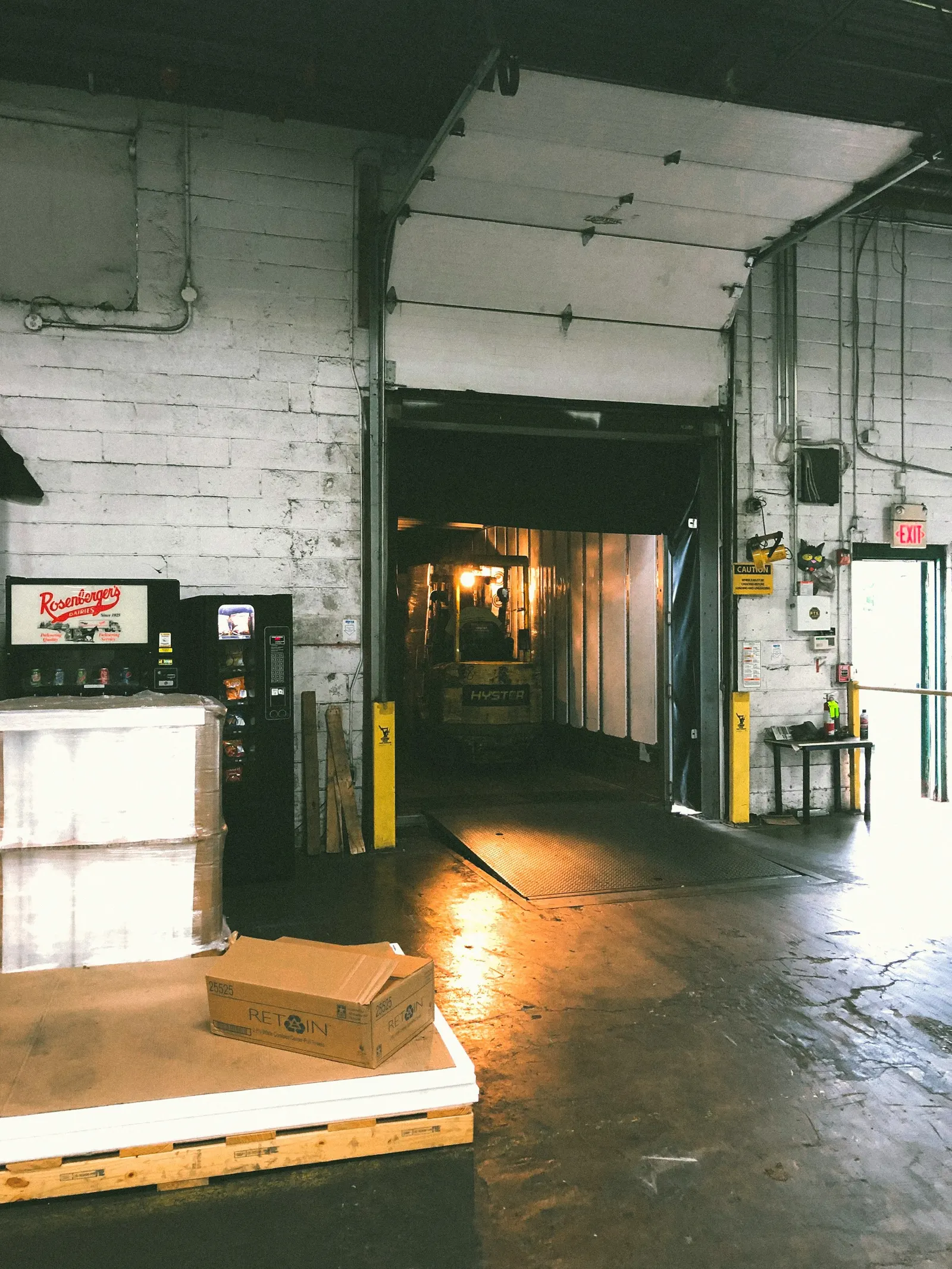 Cold Chain Fulfillment: The Hidden Growth Engine for DTC and Amazon Brands
Cold chain fulfillment refers to the storage, prep, and shipping of temperature-sensitive products—like frozen food, refrigerated supplements, or climate-controlled cosmetics—within specific temperature ranges across the entire supply chain. Typical cold chain environments include: Ambient: 60–75°F (room temp products like protein bars or vitamins) Refrigerated: 34–55°F (perishables, skincare, meal kits) Frozen: 0°F and below (ice cream, meats, frozen meals) It’s not just about keeping things cold—it’s about preserving product integrity, customer trust, and brand reputation through every mile of delivery. Why Cold Chain Fulfillment Is Exploding in eCommerce The explosion of health-conscious, high-performance, and natural products has led to one reality: Fresh is...
Subscribe to our newsletter
Join 5,000+ sellers that get the industry’s top tips.